
Tech Giants Face Massive Electoral Backlash as AI Infrastructure Plans Stall
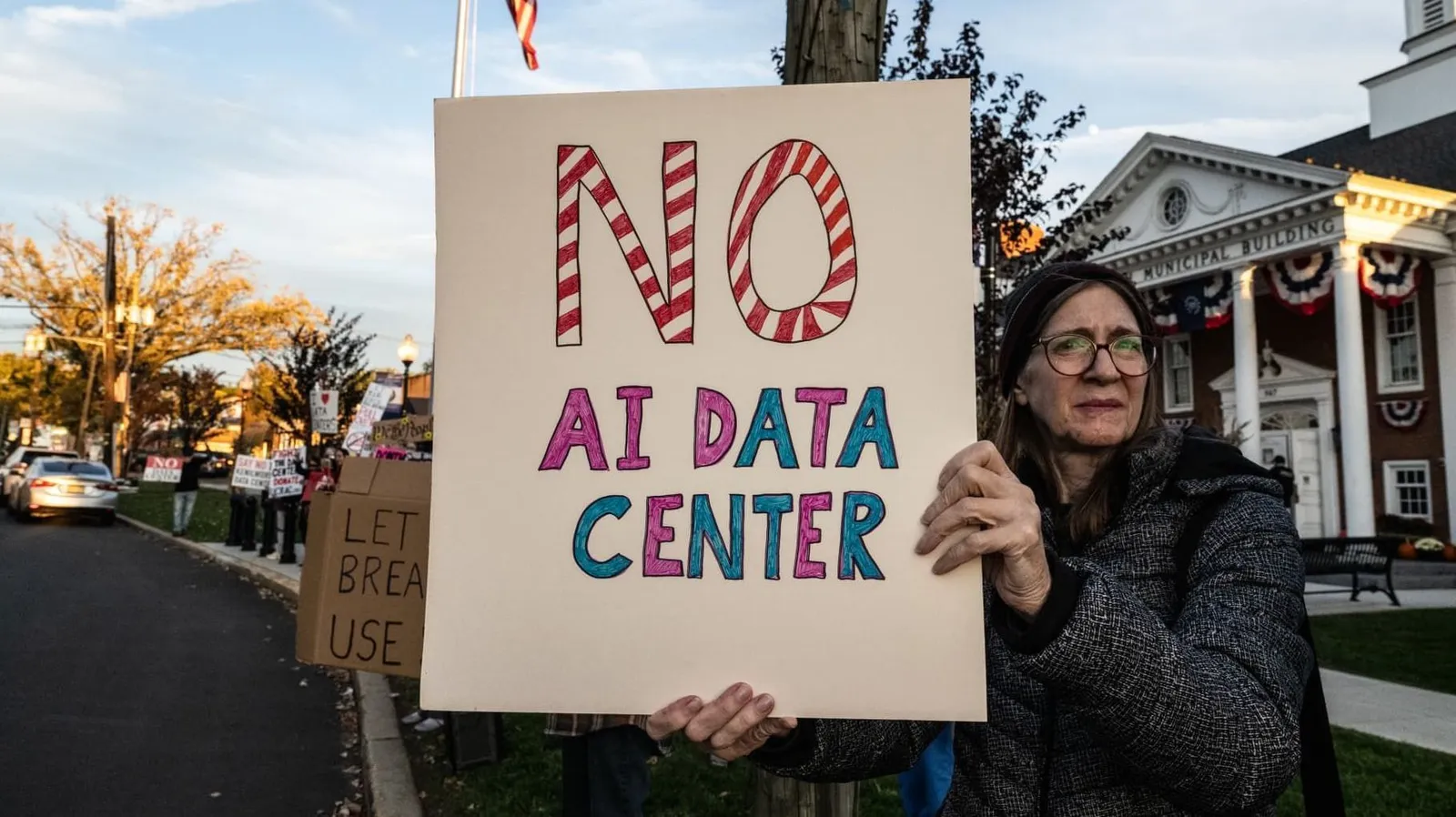
The ambitious expansion of the artificial intelligence industry hit a formidable wall on Tuesday night as voters across ten states overwhelmingly rejected ballot measures favoring data center development. Out of forty one local initiatives designed to restrict these massive facilities, only one passed in Harwood, North Dakota. This sweeping rebuke suggests a growing public anxiety over the environmental and social costs of the AI boom, turning what was once a corporate gold rush into a volatile political liability.
Ohio emerged as the epicenter of this movement, hosting more than half of all the contested measures. The anti data center sentiment translated directly into electoral victories for Democrats in the Buckeye State, including Senator Sherrod Brown and Governor elect Amy Acton. Acton, a physician who defeated Vivek Ramaswamy, has already signaled her intent to implement a conditional moratorium on new projects unless developers guarantee union labor and cover all associated utility costs. These shifts threaten high profile ventures like the PORTS Pike Technology Campus, a project backed by OpenAI and SoftBank that aims to be the largest AI hub in history with potential costs exceeding five hundred billion dollars.
The ripple effect extended far beyond Ohio, influencing critical races in Texas where Governor Greg Abbott was unseated by Gina Hinojosa after she campaigned heavily against the rapid buildout of tech infrastructure. Despite staggering financial investments from Silicon Valley and Elon Musk, whose contributions totaled hundreds of millions of dollars, the money failed to sway a public increasingly wary of big tech’s footprint. A recent poll indicated that fifty six percent of voters viewed data centers as a primary driver in their voting decisions, highlighting a disconnect between corporate spending and community priorities.
As Democrats secure control of the House, the victory lap is quickly turning into a legal summons for tech executives. Representative Greg Casar and other progressive leaders are already calling for AI CEOs to testify under oath regarding their impact on American jobs and resources. With analysts noting that many hyperscalers have seen their cash flows turn negative due to astronomical infrastructure spending, the combination of financial strain and political hostility may force a fundamental pivot in how AI giants approach physical expansion in the United States.
Related Stories

Social Media Savvy Drives Massive Growth Surge for E.l.f. Beauty
E.l.f. Beauty continues to defy market trends, reporting a staggering 51 percent jump in net sales…

Wall Street Braces for Midterm Shift Amid Debt Fears and AI Boom
As American voters head to the polls this Tuesday, investors are closely watching the ballot box…